Navigating the mortgage application timeline explained can feel like decoding a secret language. From pre-approval to closing day, every step matters. Let’s break it down in plain English—no jargon, just clarity and confidence.
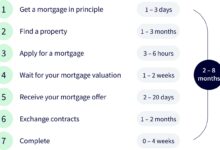



Mortgage Application Timeline Explained: The Big Picture

Understanding the mortgage application timeline explained is the first step toward homeownership. It’s not just about filling out forms—it’s a journey that involves preparation, documentation, lender coordination, and patience. On average, the entire process takes 30 to 45 days, but it can stretch longer depending on market conditions, loan type, and individual circumstances.
Why the Timeline Varies
Several factors influence how long your mortgage application takes. These include the type of loan (conventional, FHA, VA, USDA), the complexity of your financial profile, the speed of your lender, and even the time of year. For example, applications during peak home-buying seasons (spring and summer) may face delays due to high volume.
- Loan type: Government-backed loans may have additional requirements.
- Borrower responsiveness: Delays often occur when applicants fail to submit documents promptly.
- Lender workload: Some lenders process applications faster than others.
Key Milestones in the Process
The mortgage application timeline explained includes several critical phases: pre-approval, home search, offer acceptance, loan application, underwriting, appraisal, and closing. Each phase has its own set of tasks and timelines. Missing a step or misunderstanding a requirement can cause costly delays.
“The difference between a smooth closing and a nightmare often comes down to preparation and communication.” — National Association of Realtors
Mortgage Application Timeline Explained: Pre-Approval Phase
The pre-approval phase is where your mortgage journey begins. This step gives you a clear idea of how much house you can afford and shows sellers that you’re a serious buyer. It typically takes 1 to 3 days, but can be faster with digital lenders.
What Is Pre-Approval?
Pre-approval is a lender’s conditional commitment to lend you a specific amount based on your credit, income, and debt. It’s not a guarantee, but it’s a strong signal to real estate agents and sellers. To get pre-approved, you’ll need to provide financial documents such as pay stubs, tax returns, and bank statements.
- Proof of income: W-2s, 1099s, or recent pay stubs.
- Tax returns: Usually the last two years.
- Bank statements: To verify assets and down payment funds.
Why Pre-Approval Matters
Without pre-approval, you’re at a disadvantage in competitive markets. Sellers are more likely to accept offers from buyers who have already been vetted by a lender. According to the Consumer Financial Protection Bureau, pre-approved buyers close deals 20% faster on average.
“Pre-approval isn’t just helpful—it’s essential in today’s market.” — Realtor.com
Mortgage Application Timeline Explained: Home Search and Offer
Once you’re pre-approved, the real fun begins: house hunting. This phase can last anywhere from a few days to several months, depending on your preferences and market conditions. When you find the right home, you’ll make an offer, which, if accepted, triggers the formal mortgage application process.
Finding the Right Home
Use your pre-approval amount to guide your search. Work with a real estate agent to identify homes within your budget. Consider not just the purchase price, but also property taxes, homeowners association (HOA) fees, and potential repair costs.
- Set priorities: Location, size, school district, commute time.
- Use online tools: Zillow, Redfin, and Realtor.com offer advanced filters.
- Attend open houses: Get a feel for different neighborhoods and styles.
Making a Competitive Offer
In hot markets, multiple offers are common. To stand out, consider waiving contingencies (though this carries risk), offering a higher earnest money deposit, or writing a personal letter to the seller. Your agent can help craft a compelling offer.
“A strong offer isn’t just about price—it’s about terms, timing, and trust.” — National Association of Home Builders
Mortgage Application Timeline Explained: The Loan Application Process
After your offer is accepted, you’ll formally apply for the mortgage. This is when the lender begins a deeper dive into your financial history. The application itself can be completed in a few hours, but the review process takes longer.
Filling Out the 1003 Form
The Uniform Residential Loan Application (Form 1003) is the standard mortgage application used by lenders. It asks for detailed information about your income, assets, debts, employment, and the property you’re buying. Accuracy is critical—errors can delay approval.
- Personal information: Name, SSN, address history.
- Employment and income: Current and past jobs, salary, bonuses.
- Assets and liabilities: Bank accounts, investments, credit card debt.
Providing Supporting Documents
Lenders will request documentation to verify everything on your application. Common requests include:
mortgage application timeline explained – Mortgage application timeline explained menjadi aspek penting yang dibahas di sini.
- Pay stubs (last 30 days)
- W-2s or 1099s (last two years)
- Bank and investment statements (last two months)
- Proof of down payment source
- Copy of sales contract
Respond quickly to document requests. Delays here are the #1 cause of extended timelines. According to Fannie Mae, borrowers who submit documents within 48 hours reduce processing time by up to 10 days.
Mortgage Application Timeline Explained: Underwriting and Appraisal
This is the most critical—and often most stressful—phase of the mortgage application timeline explained. Underwriting is when the lender evaluates your risk as a borrower. The appraisal ensures the home is worth what you’re paying.
What Happens During Underwriting?
The underwriter reviews your financial profile, credit history, and the property details. They may request additional documentation or clarification. Common issues include:
- Large, unexplained deposits in your bank account
- Recent job changes or gaps in employment
- High debt-to-income ratio (DTI)
- Low credit score
The underwriting process typically takes 3 to 7 days, but can extend if issues arise. Some lenders offer automated underwriting systems (AUS) like Fannie Mae’s Desktop Underwriter, which can speed up the process.
The Role of the Appraisal
An independent appraiser assesses the home’s market value based on recent comparable sales, condition, and location. If the appraisal comes in lower than the purchase price, you may need to renegotiate with the seller, make up the difference in cash, or challenge the appraisal.
- Appraisal turnaround: Usually 1 to 2 weeks
- Cost: Typically $300–$500
- Who orders it: Usually the lender
“A low appraisal can derail a deal, but it’s also a consumer protection tool.” — Appraisal Institute
Mortgage Application Timeline Explained: The Final Approval and Closing
Once underwriting is complete and all conditions are satisfied, you’ll receive final loan approval. This is followed by the closing disclosure (CD), a three-day waiting period, and finally, closing day.
Receiving the Closing Disclosure
The CD is a three-page form that details your loan terms, monthly payments, and closing costs. You must receive it at least three business days before closing. This gives you time to review and compare it to your initial Loan Estimate (LE).
- Compare interest rate, loan amount, and fees
- Look for unexpected changes
- Contact your lender if anything seems off
According to the CFPB, borrowers who review their CD carefully avoid last-minute surprises 90% of the time.
The Three-Day Waiting Period
Federal law requires a three-day review period after you receive the CD. This is non-negotiable and cannot be waived. Use this time to prepare for closing, transfer funds, and finalize moving plans.
Closing Day: What to Expect
Closing typically takes 1 to 2 hours. You’ll sign a stack of documents, including the promissory note, mortgage deed, and disclosure forms. Bring a government-issued ID and a certified check or wire transfer for your down payment and closing costs.
- Bring: Photo ID, proof of insurance, funds for closing
- Sign: Promissory note, mortgage/deed of trust, CD, affidavits
- Leave with: Keys, ownership documents, and a clear title
“Closing is the finish line, but it’s also the beginning of your homeownership journey.” — HUD
Mortgage Application Timeline Explained: Common Delays and How to Avoid Them
Even with the best planning, delays happen. The good news? Most are preventable. Here are the top culprits and how to sidestep them.
Slow Document Submission
The #1 reason for delays is slow response to document requests. Lenders often need information within 48 hours. Set up a dedicated email folder or file box for mortgage documents and check in with your loan officer weekly.
Appraisal Issues
If the appraisal comes in low, the lender won’t approve the full loan amount. To avoid this, work with an experienced agent who can help you offer a competitive but realistic price. You can also request a second appraisal or provide the appraiser with additional comps.
mortgage application timeline explained – Mortgage application timeline explained menjadi aspek penting yang dibahas di sini.
Underwriting Hurdles
Changes in your financial situation—like a new job, large purchase, or credit inquiry—can trigger underwriting red flags. Avoid opening new credit accounts, making big purchases, or quitting your job during the mortgage process.
- Don’t buy a car before closing
- Don’t max out credit cards
- Don’t change jobs without consulting your lender
How long does the mortgage application timeline explained usually take?
The average mortgage application timeline explained takes 30 to 45 days from offer acceptance to closing. Pre-approval can happen in 1–3 days. However, government-backed loans or complex financial situations may extend the timeline to 60 days or more.
What documents are needed for a mortgage application?
You’ll typically need recent pay stubs, W-2s or 1099s for the past two years, bank and investment statements, tax returns, photo ID, and a copy of the sales contract. Self-employed borrowers may need additional documentation like profit-and-loss statements.
Can I speed up the mortgage application process?
Yes. Respond quickly to document requests, choose a lender with a fast turnaround, get pre-approved early, and avoid making financial changes during the process. Using digital mortgage platforms can also reduce processing time.
What happens if my mortgage application is denied?
If denied, the lender must provide a reason under the Equal Credit Opportunity Act (ECOA). Common reasons include low credit score, high DTI, or insufficient income. You can appeal the decision, improve your profile, or apply with a different lender.
Is the mortgage application timeline explained the same for all loan types?
No. Conventional loans often close faster (30–45 days). FHA, VA, and USDA loans may take longer due to additional requirements and government oversight. For example, VA loans require a Certificate of Eligibility (COE), which can add a few days.
Understanding the mortgage application timeline explained is essential for a smooth homebuying experience. From pre-approval to closing, each phase plays a crucial role in securing your loan. By staying organized, communicating with your lender, and avoiding common pitfalls, you can navigate the process with confidence. Remember, knowledge is power—and in this case, it’s also the key to unlocking your dream home.
mortgage application timeline explained – Mortgage application timeline explained menjadi aspek penting yang dibahas di sini.
Recommended for you 👇
Further Reading:
